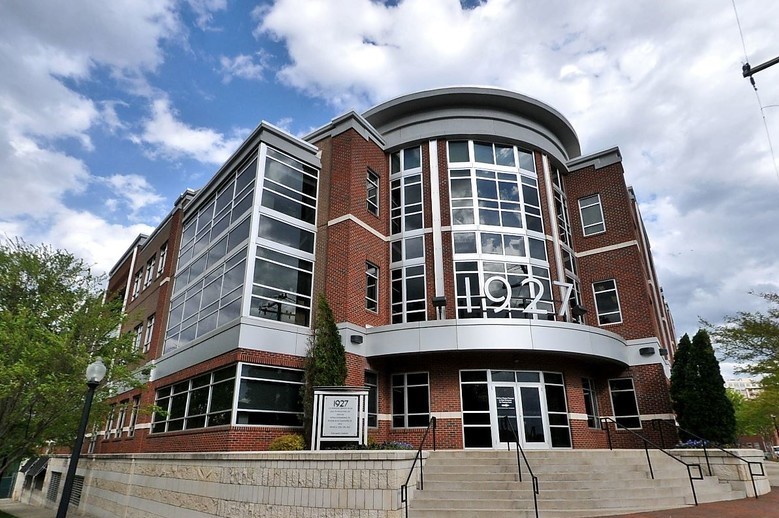

The Noble Law is an employment law firm with offices in North Carolina and South Carolina. We help clients navigate issues of workplace discrimination, including wage discrimination. While pay discrimination is illegal in the United States, it still happens. You have the right to be paid fairly and equally for your work, regardless of sex, race, color, disability, nation of origin, religion, or age. If you are currently experiencing wage discrimination or any other kind of workplace discrimination, our employment law attorneys can help. Contact The Noble Law in North Carolina or South Carolina to schedule a consultation.



It is illegal to discriminate against an employee or potential employee on the basis of a mental or physical disability or handicap. If you are able to perform your job with reasonable accommodations, it is unlawful for an employer to discriminate on the basis of your disability. Failure to provide reasonable accommodations also constitutes unlawful workplace discrimination.
If you need reasonable accommodation in order to perform the essential duties of your job, it is your responsibility to confidentially inform your employer of your disability. Your employer must then engage you in an interactive process to determine whether there is a reasonable accommodation that would work in your situation. Here at The Noble Law, we provide representation in employment law, and if you get in touch with our employment law firm, we can help you understand your disability rights and advocate for you.
Key Legal Protections for Employees with Disabilities
Federal and state law contain provisions that protect the rights of disabled employees to be free from discrimination in the workplace.
The Americans with Disabilities Act (ADA) protects qualified employees with physical or mental impairments from being treated differently because of their disabilities. In North Carolina, the Persons with Disabilities Protection Act (NCPDPA) adds an additional layer of support by reinforcing rights in the workplace.
These laws apply in different ways depending on the situation. For instance, you may be covered if you have a chronic illness, injury, or psychological condition that limits major life activities. You may also be protected if your employer perceives you as having a disability, even if you do not consider yourself disabled. Understanding your rights is the first step toward protecting them.
What Is Considered a “Reasonable Accommodation”?
The ADA and North Carolina state law both require employers to facilitate accommodations that help employees with disabilities perform the essential functions of their jobs, as long as those changes don’t cause significant hardship for the employer. These are called “reasonable accommodations.”
Examples may include:
- Modifying work schedules
- Providing specialized equipment or software
- Allowing remote work or frequent breaks
- Adjusting responsibilities temporarily during recovery periods
If you need an accommodation, it’s typically your responsibility to start the conversation. That request triggers what’s known as the interactive process. This is a collaborative discussion between you and your employer to find a workable solution.
Unfortunately, many employees face pushback, delay, or outright denial when they ask for support. That’s where things can go wrong. In these situations, knowing your rights can make a significant difference in securing reasonable accommodations and protecting your job. It’s not uncommon for employers to misunderstand their obligations under the law. Often, employees do not have the information and resources needed to advocate for their rights effectively. Common Examples of Workplace Disability Discrimination
Disability discrimination isn’t always obvious. It can range from subtle exclusion to overt mistreatment.
Some examples of workplace disability discrimination include:
- Being denied a promotion, assignment, or hours because of your condition
- Being demoted when you can perform your original duties with reasonable accommodations
- Facing hostility, exclusion, or jokes about your disability
- Losing your job after requesting accommodations
- Having your medical privacy violated
Even well-intentioned actions, like taking responsibilities away “for your own good,” can cross the line if they limit your career or violate your rights.
At The Noble Law, we’ve seen how these actions affect people on a deep personal level. For some, it’s the loss of income. For others, it’s the emotional toll of being treated unfairly. If something doesn’t feel right, it’s worth asking questions.
Nevertheless, The Noble Law Firm stands ready to defend and represent employees facing severe and intolerable discrimination in the workplace. Federal law prohibits employers discrimination under penalty of law based on:
- Race
- Gender
- Religious Affiliation
- National Origin
- Marital Status
- Pregnancy
- Disability
- Age


What Should I Do If I’ve Been Discriminated Against?
If you’re facing discrimination related to a disability, the steps you take next can have a major impact. Taking thoughtful, informed action early on can help protect your rights and strengthen your position.
- Document everything. Keep written records of conversations, emails, and performance evaluations. A clear paper trail can provide critical support if your claims are questioned later.
- Make your request in writing. When requesting accommodations, always include the details in a dated document or email. This creates a formal record that shows when and how you communicated your needs.
- Report internally. Notify your human resources department or supervisor according to your company’s policy. Following internal procedures can demonstrate that you attempted to resolve the issue through proper channels.
- Contact a trusted employment attorney. It helps to talk through your situation with someone who regularly handles workplace cases. An attorney can help you understand your options and avoid mistakes that could affect your ability to move forward.
Disability-related claims must be filed within specific deadlines. In North Carolina, you generally have 180 days to file a complaint with the Equal Employment Opportunity Commission (EEOC). That window can go by quickly, especially if you’re trying to manage your health, your job, and the emotional stress of being mistreated.
Filing a Complaint in North Carolina
When internal channels don’t resolve the problem, filing a formal complaint may be your next step.
You can begin this process by submitting a charge with the EEOC. This federal agency investigates claims and may attempt to mediate a resolution. Depending on your circumstances, state-level agencies may also be involved.
The process can feel overwhelming, especially when you’re already dealing with the effects of discrimination. Employment law attorneys at The Noble Law guide clients through these steps, keeping them informed, supported, and prepared for what comes next.
Do Employers Have to Comply with the Law?
Yes. Employers with 15 or more employees are bound by the ADA, and all North Carolina employers must comply with the NCPDPA.
At a minimum, they are expected to:
- Respond promptly and fairly to accommodation requests
- Maintain confidentiality regarding medical information
- Avoid discriminatory conduct during hiring, staffing, and termination decisions
Employers are encouraged to engage openly and in good faith during the interactive process, rather than denying accommodation requests outright or disregarding employee concerns. When they fail to do so, legal consequences may follow.
If an employer is found liable for disability discrimination, there are several potential outcomes. These penalties include the payment of the employee’s lost wages or benefits, offers of job reinstatement, compensation for emotional distress, and legal fees. In some cases, court-ordered changes to company policies or practices are imposed.
Frequently Asked Questions
What qualifies as a disability?
A wide range of physical and mental conditions may qualify. These include chronic illness, mobility impairments, psychological diagnoses, and more.
Can my employer refuse an accommodation request?
That depends. Employers can refuse if the accommodation causes undue hardship, but they must explain their reasoning and remain open to alternatives.
What if I’m retaliated against after speaking up?
Retaliation for exercising your rights is unlawful under the ADA and NCPDPA. If your employer punishes you for requesting an accommodation or reporting discrimination, that action can form the basis for a separate legal claim.
The Noble Law: Fighting Fiercely For Your Rights
Every employee deserves to be treated with dignity and respect. Employers, colleagues, and clients who discriminate against workers should be held accountable.
Our legal team supports individuals in North and South Carolina as they face some of the most challenging experiences of their professional lives. We are committed to offering thoughtful, steady guidance during times like these.
If you believe your rights may have been violated, we welcome the opportunity to hear your story. What you’ve experienced matters, and we’re here to help you navigate what comes next. Contact The Noble Law to discuss your situation.